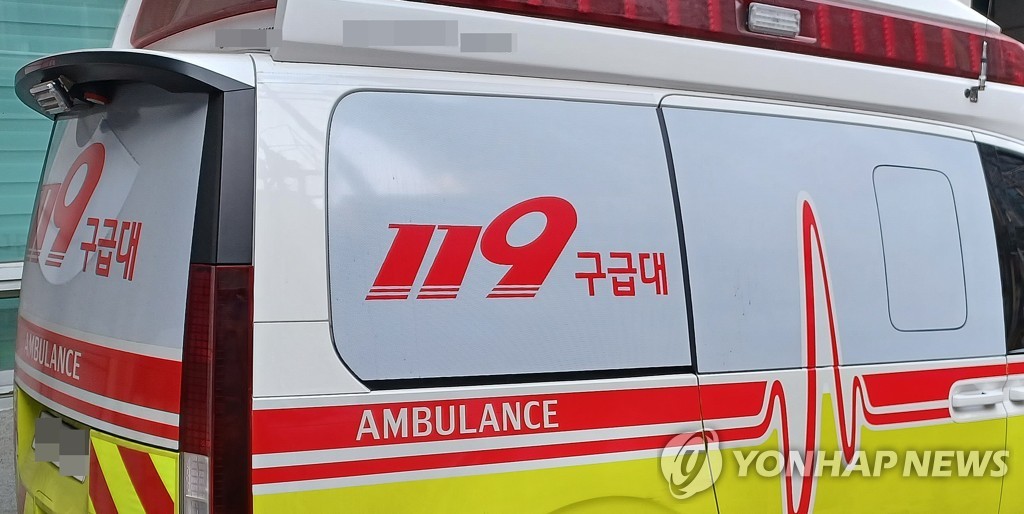
Asan Road Construction Site: Signalman Dies After Being Struck by Roller Vehicle
A 40-year-old signalman died after being struck by a roller vehicle at a road construction site in Asan-si, Chungcheongnam-do. This accident is presumed to have been primarily caused by non-compliance with safety rules during heavy equipment operation and a lack of communication with the signalman at the construction site. Strengthening on-site safety management and establishing a clear signaling system among workers are urgently needed to prevent similar accidents from recurring.
Summary
A 40-year-old signalman died after being struck by a roller vehicle at a road construction site in Asan-si, Chungcheongnam-do. This accident is presumed to have been primarily caused by non-compliance with safety rules during heavy equipment operation and a lack of communication with the signalman at the construction site. Strengthening on-site safety management and establishing a clear signaling system among workers are urgently needed to prevent similar accidents from recurring.
Incident Overview
| Item | Content |
|---|---|
| Date/Time | Around 3:15 PM on the 17th |
| Location | A road construction site in Yeongin-myeon, Asan-si, Chungcheongnam-do |
| Accident Type | Entrapment (collision by roller vehicle) |
| Damage | 1 signalman in his 40s deceased |
Key Cause Analysis
Q. Why did this accident occur?
- Human: Roller vehicle operator's failure to maintain forward lookout or failure to recognize the signalman (presumed). Signalman's failure to secure a safe distance (presumed). Inadequate or misunderstood signaling system among workers (presumed).
- Equipment: Potential for blind spots in the roller vehicle. Failure to confirm operation of safety devices such as reverse alarms (presumed).
- Environment: Complex working environment of a road construction site. Difficulty in signal transmission due to noise, etc. (presumed).
- Management: Insufficient safety education and risk assessment before work (presumed). Lack of clear guidelines for signalman placement and roles (presumed). Failure to assign a guide and establish a guiding plan during heavy equipment operation (presumed).
Why it's Dangerous on Site
In actual construction sites, communication between operators and signalmen is difficult due to noise, dust, and wide working radii during heavy equipment operation. The risk of collision is always present, especially due to the large blind spots of the equipment. Safety rules are easily overlooked due to pressure for work speed or repetitive tasks, and signalmen often find it difficult to accurately predict equipment movements. Furthermore, temporarily assigned signalmen may not have sufficient safety training or experience, making them unable to respond appropriately to dangerous situations.
Prevention Checklist
- Identify risk factors in heavy equipment work zones through pre-work risk assessment and establish control plans.
- Thoroughly conduct safety education for heavy equipment operators and signalmen, clarifying roles and signaling systems.
- Always assign a guide during heavy equipment operation; the guide must wear highly visible clothing and maintain a safe distance.
- Check the operation of safety devices such as rear cameras and alarms on heavy equipment like roller vehicles, and conduct regular inspections.
- Clearly separate work areas from pedestrian traffic areas, and install safety fences if necessary.
- If noise is severe during work, secure communication means by using communication devices such as two-way radios.
Related Laws
- Occupational Safety and Health Act (South Korea): Provisions related to the employer's duty to maintain the safety and health of workers at construction sites.
- Serious Accidents Punishment Act (South Korea): Provisions stipulating punishment for employers or responsible management personnel for violations of safety and health securing duties when serious accidents occur.
- Construction Technology Promotion Act (South Korea): Provisions related to safety and quality management of construction projects.
원본 기사