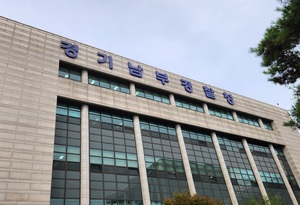
Ourhome Yongin Factory Conveyor Belt Entrapment Fatality, 6 Safety Managers Sent to Prosecution
Six safety managers, including the factory manager, have been sent to the prosecution for negligence in safety measures, such as the absence of a safety cover, in connection with an accident at Ourhome Yongin 2nd Factory where a worker in their 50s died after their neck was caught in a conveyor belt rotating shaft. The worker passed away 37 days after the accident.
Incident Overview
| Item | Content |
|---|---|
| Date | Approximately 2:50 PM, June 2026 |
| Location | 4th floor fish cake skewer packaging workplace, Ourhome Yongin 2nd Factory, Namsa-eup, Cheoin-gu, Yongin-si |
| Accident Type | Neck entrapped in conveyor belt rotating shaft |
| Damage | 1 worker in their 50s, died 37 days after cardiac arrest |
Key Cause Analysis
Q. Why did this accident occur?
- Equipment: The conveyor belt rotating shaft lacked a safety cover, leaving the dangerous part exposed.
- Management: Safety management supervisors neglected safety measures, including being aware of the absence of a safety cover but failing to address it.
Why it's Dangerous in the Field
In actual workplaces, safety covers or guards are often arbitrarily removed or not installed during work for reasons of production efficiency. Rotating machinery like conveyor belts are particularly dangerous because even a worker's inattention or momentary mistake can lead to body parts being caught. The risk is even higher during non-routine tasks such as removing foreign objects or inspecting equipment. If management and supervision are not properly conducted despite awareness of these risks, it is highly likely to lead to a serious accident. Without safety devices, workers are inevitably exposed to constant danger.
Prevention Checklist
- Ensure all rotating parts and hazardous areas are equipped with and maintain safety covers or guards.
- Before work, verify the normal operation of safety covers and guards.
- Safety management supervisors must conduct regular on-site safety inspections and immediately address deficiencies.
- Educate workers on safety rules and emergency stop procedures when operating hazardous equipment such as conveyor belts, and ensure they are familiar with them.
- During non-routine tasks (e.g., removing foreign objects, cleaning), always stop equipment operation, install lockout devices, and then proceed with work.
- Establish a safety culture where hazardous elements are reported immediately and corrective actions are requested.
Relevant Laws
- Occupational Safety and Health Act (South Korea): Relevant provisions regarding the employer's duty to take safety and health measures, such as preventing hazards from machinery, tools, and other equipment.
- Serious Accidents Punishment Act (South Korea): Relevant provisions regarding punishment when a serious industrial accident occurs due to a violation of the duty to secure safety and health by the business owner or responsible management personnel.